LEARNING TO RACE WITHIN LIMITS I DIDN’T FUCKING CHOOSE
I used to trust my body completely.
Ten IRONMAN finishes. A Kona qualification. Nineteen half IRONMANs. Multiple appearances at IRONMAN 70.3 Worlds. Racing long-course triathlon wasn’t just something I did, it became the structure I measured myself against.
I’ve spent the last decade building my identity around endurance racing.
The preparation, the discipline, the suffering, the execution on race day. It all felt like the clearest expression of who I was.
But my nervous system changed the rules.
Last year, I was diagnosed with vestibular migraine. It started as something I tried to manage while continuing to train and race, but it progressed into something I couldn’t push through. For three months, I lived with chronic vertigo. It was relentless making even normal life unbearable.
At 50, I’m also in perimenopause, and I’ve started to wonder how much of what I’m experiencing is a hormonal shift colliding with an already jacked up nervous system. Night sweats, sleep disruption, recovery that doesn’t feel predictable anymore. And I’ve noticed something else too, pre-race anxiety that hits harder than it used to.
And that’s been one of the hardest things to admit as a coach and athlete.
Because I coach 20 athletes. I spend my days helping other people navigate training stress, race execution, confidence, doubt, and discipline. I know the theory. I know the physiology. I know the mindset work.
But none of that overrides what your nervous system decides it can tolerate on a given day.
In October 2025, I started medication for vestibular migraine, and for the first time in a long time, the chronic vertigo finally settled. But that didn’t mean everything was resolved.
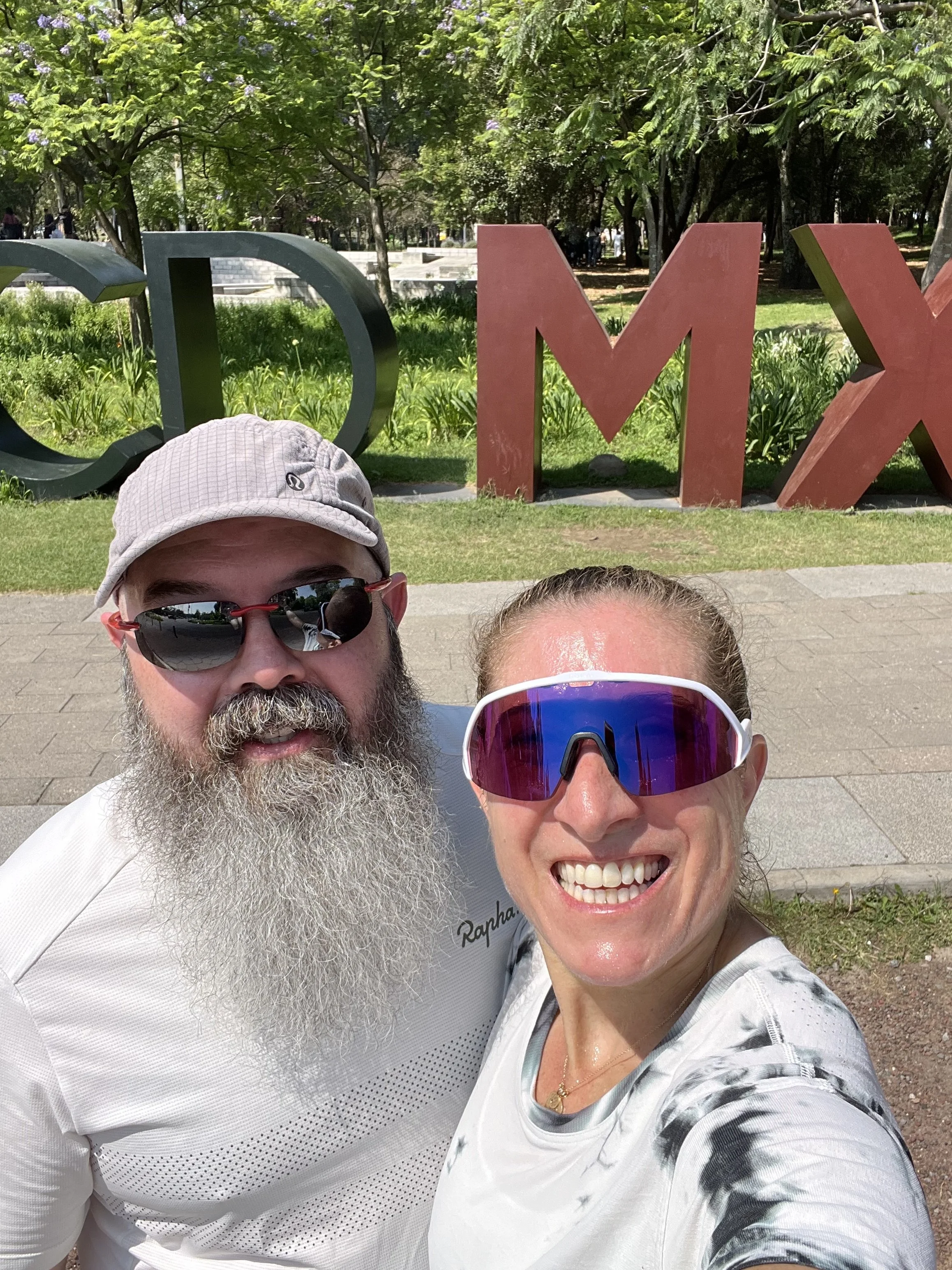
Just recently this past May, while traveling to Mexico City with my husband for his work, I had a major vestibular migraine flare-up. It hit me hard enough that it reminded me, that my nervous system is still sensitive as fuck. I was two weeks out from my next race. I flew home on May 23rd still not fully back to baseline.
And on May 31st, I raced my third sprint triathlon.
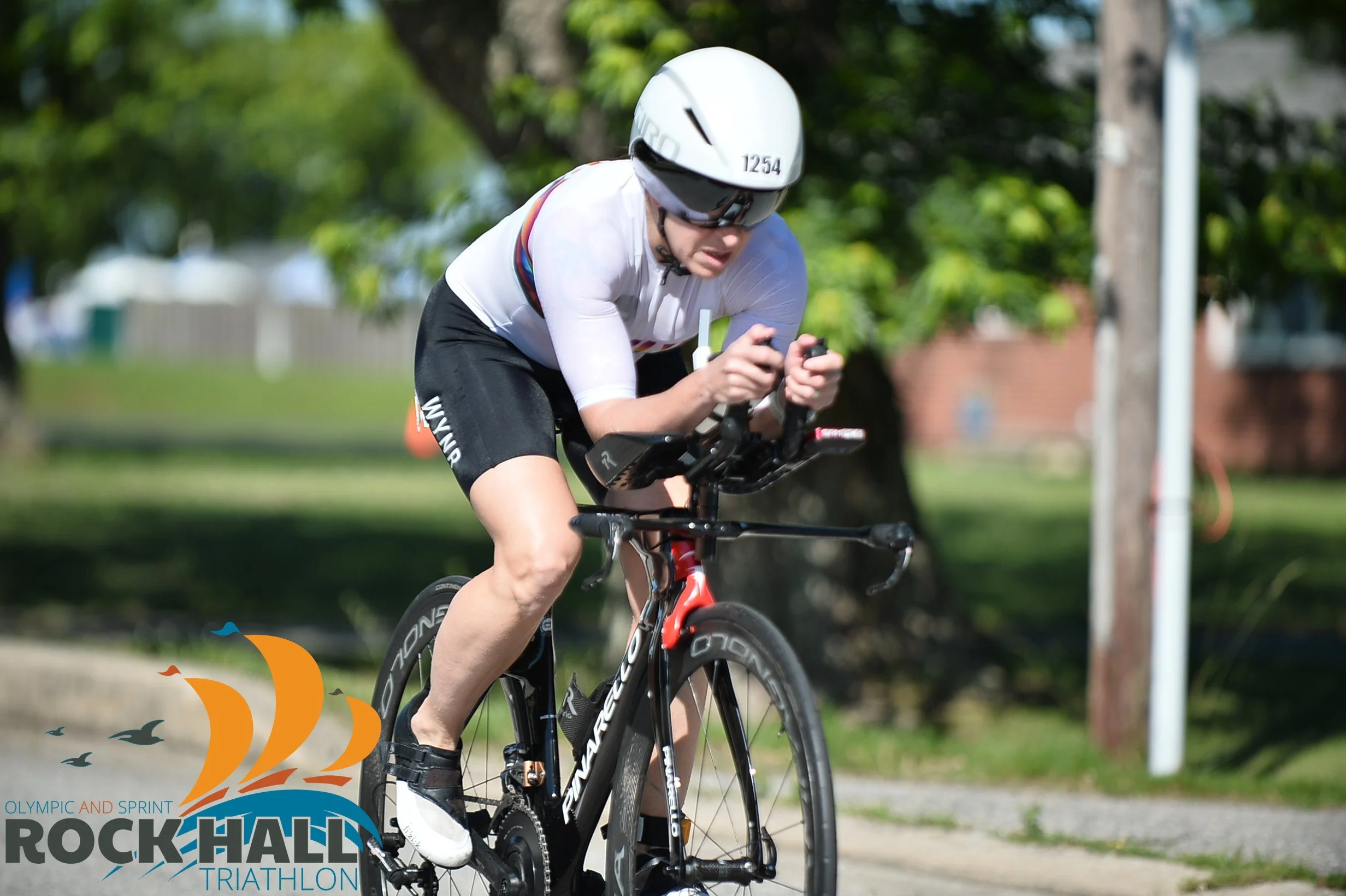
A sentence I never thought would feel like a “change of life” moment.
I’ve also tried to fill the gap in a different way this year. In April, I raced my first HYROX individual. Something completely outside my usual endurance world. It was a new challenge, a new way to feel effort and competition again. It helped. But it didn’t replace long-course racing. Nothing really does.
That’s the part I’ve had to be honest about.
This season, I made the decision to step away from IRONMAN and 70.3 racing. Not because I stopped wanting it, and not because it doesn’t still light me up, but because my nervous system needed a different kind of respect than I’ve ever had to give it before.
That decision has been fucking harder to accept than I expected.
As athletes, we like to believe discipline solves everything. Train harder. Stay tougher. Be more consistent. But this isn’t that. This is capacity. And capacity doesn’t negotiate.
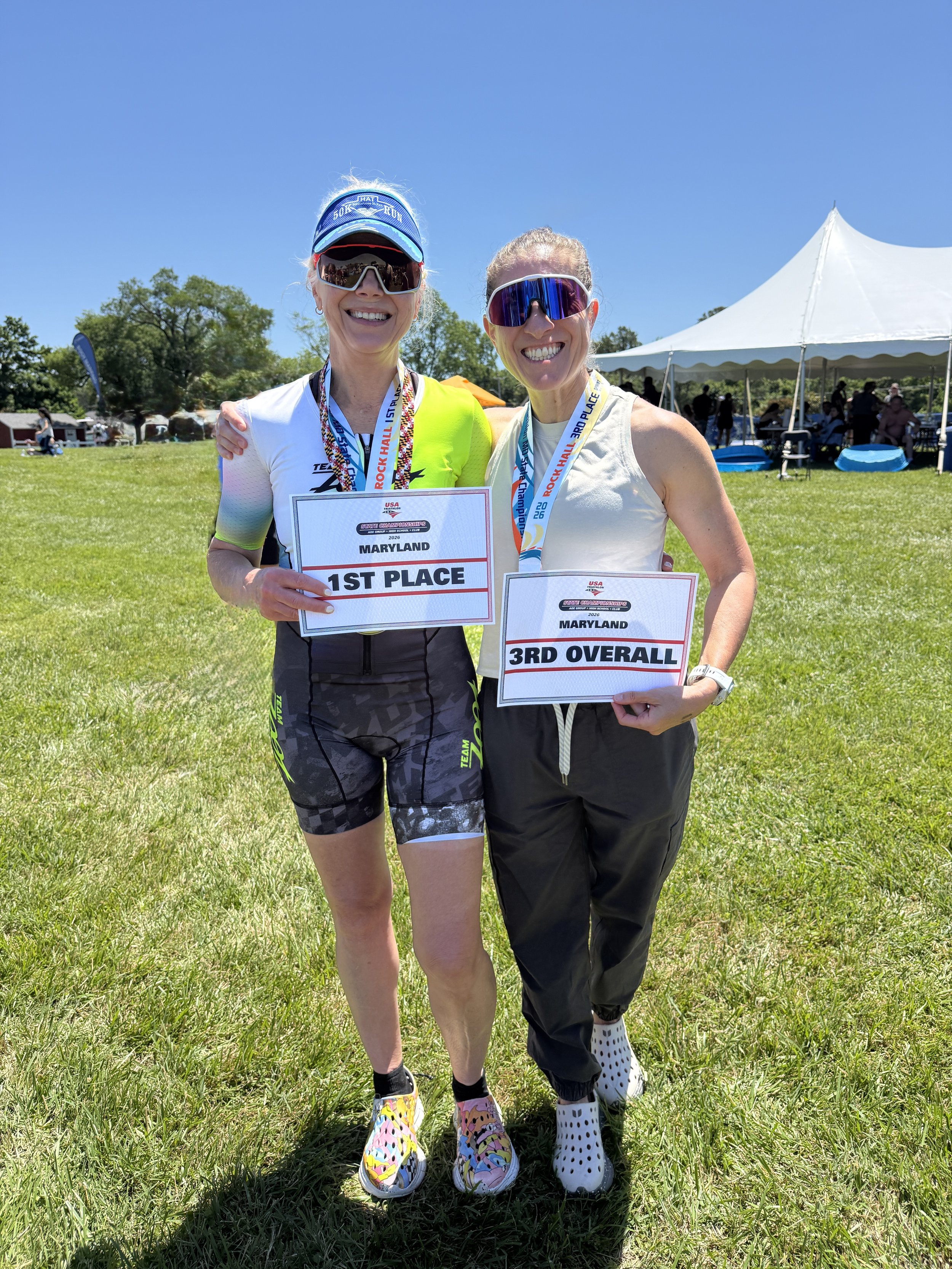
The sprint race itself was meaningful in a way I didn’t fully expect. I placed 3rd overall female, which is solid on paper. But that wasn’t the story.
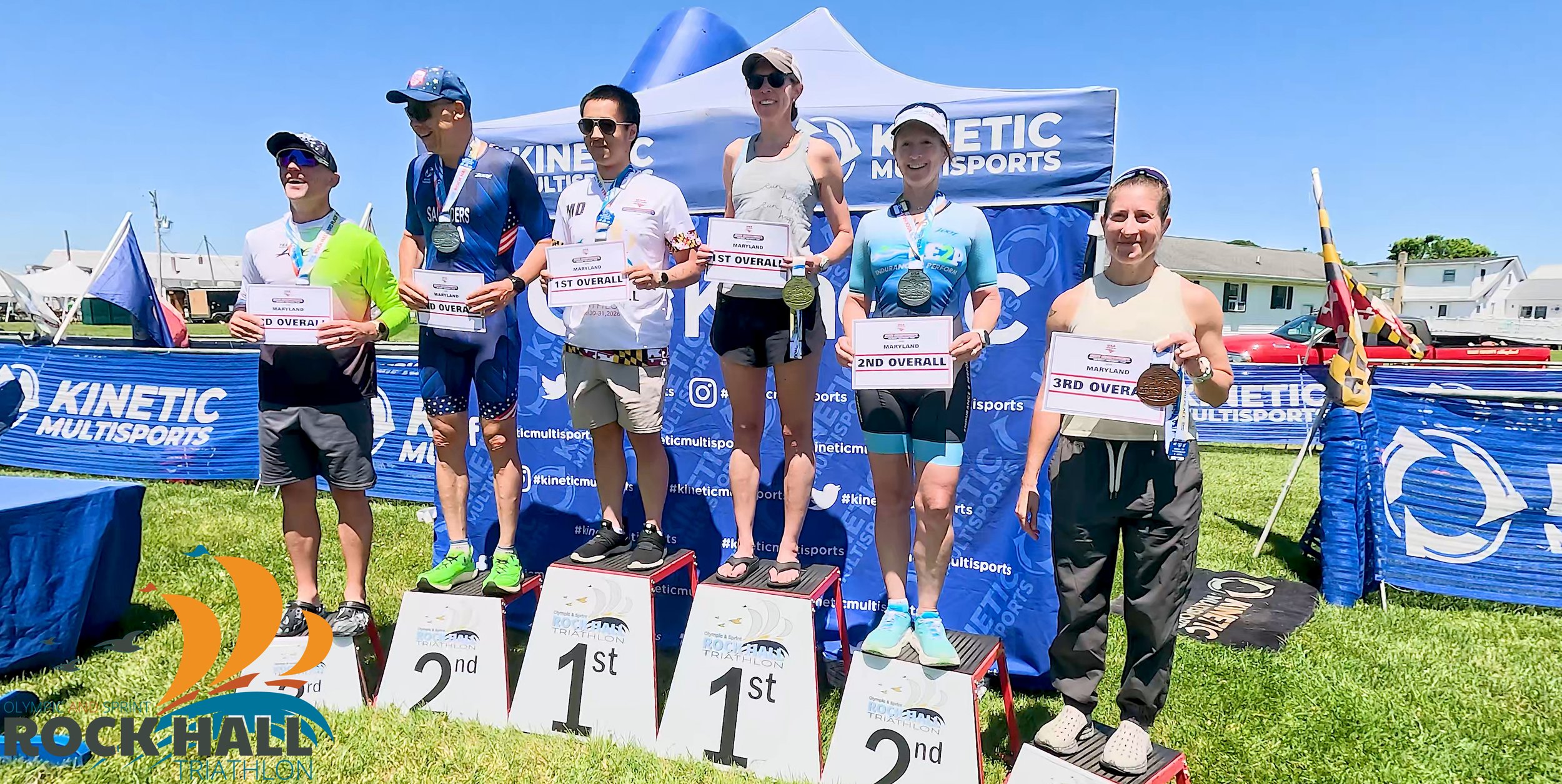
The story was standing on the start line one week after a flare-up, still not fully myself, and choosing to race anyway, not to prove anything, but to stay connected to the sport that I so fucking love so much!
And something else mattered more than I expected.
I raced alongside three of my athletes that day. Not as a coach watching from the sidelines, but as an athlete sharing the same course, experiencing the same conditions, and then reconnecting afterwards. It reminded me that racing isn’t only about personal progression. It’s also about shared experience.
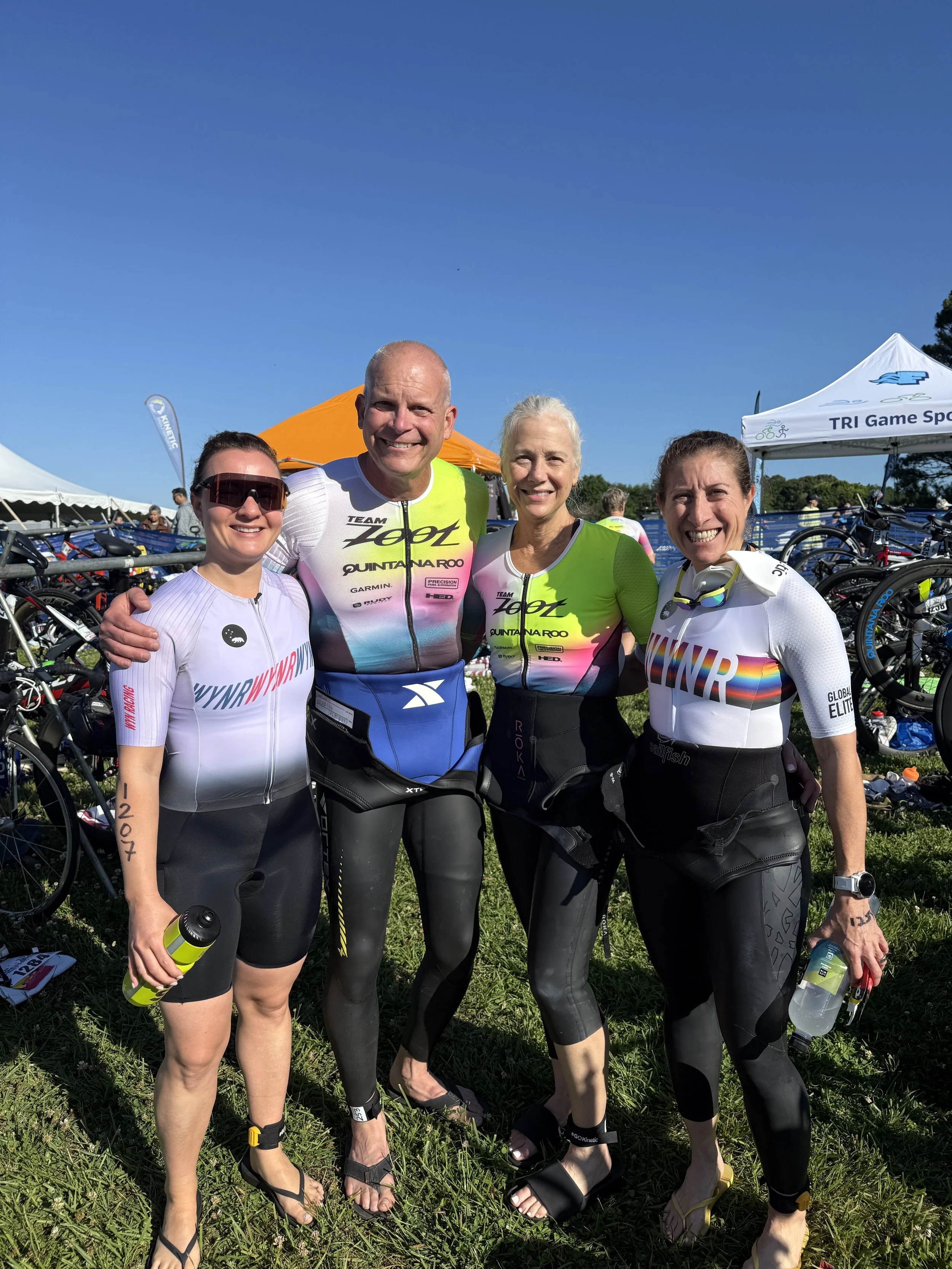
But I won’t lie. It didn’t feel the same as an IRONMAN or 70.3.
There is a type of depth I associate with long-course racing. The slow unfolding of the day, the problem-solving over hours, the mental negotiation that happens when things get uncomfortable and stay uncomfortable.
Sprint racing is different. It’s sharp. It’s fast. It’s over before the internal negotiation really even begins. It’s rewarding in its own way, but it hasn’t replaced that depth for me.
And that realization has been harder than I expected to sit with.
Because I am still that athlete.
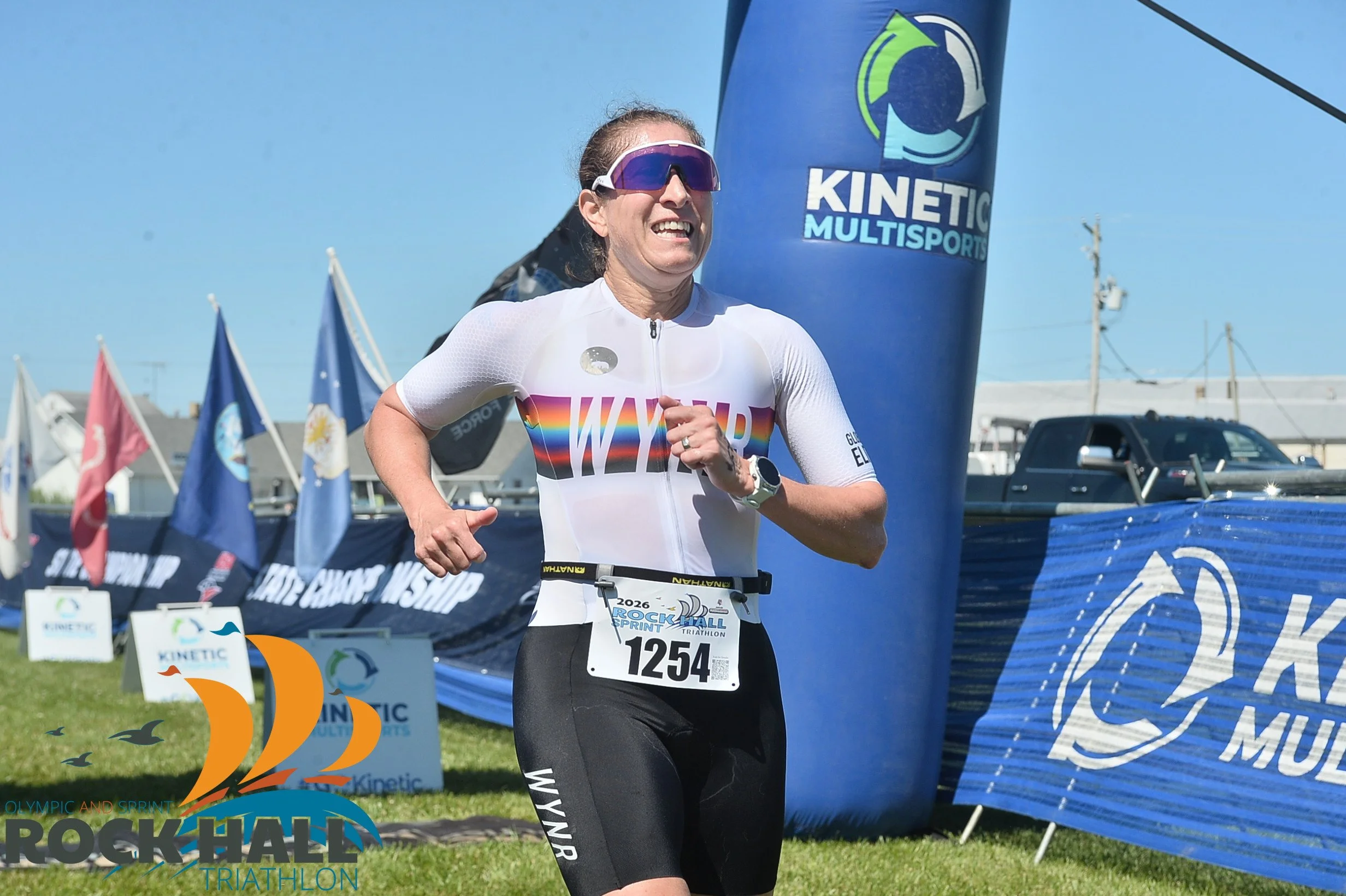
The part of me that wants long-course suffering. That wants to build toward something that takes months to express itself on a single day. That part hasn’t gone away. It’s just not the part I can safely follow right now.
So I’m learning a different kind of discipline. Not the discipline of pushing further. But the discipline of stopping when I need to.
Of choosing short-course racing when my identity still wants IRONMAN. Of trusting that stepping back isn’t quitting—it’s adapting.
This season is not what I planned.
But it’s teaching me something I didn’t know I needed to learn. That being an endurance athlete isn’t just about how far you can go. It’s about how honestly you can respond when your body stops playing by your old rules.
I don’t know what next year looks like. I don’t know when I’ll return to IRONMAN or 70.3 racing.
But I do know I’m still here.
Still training.
Still racing.
Still figuring this shit out.